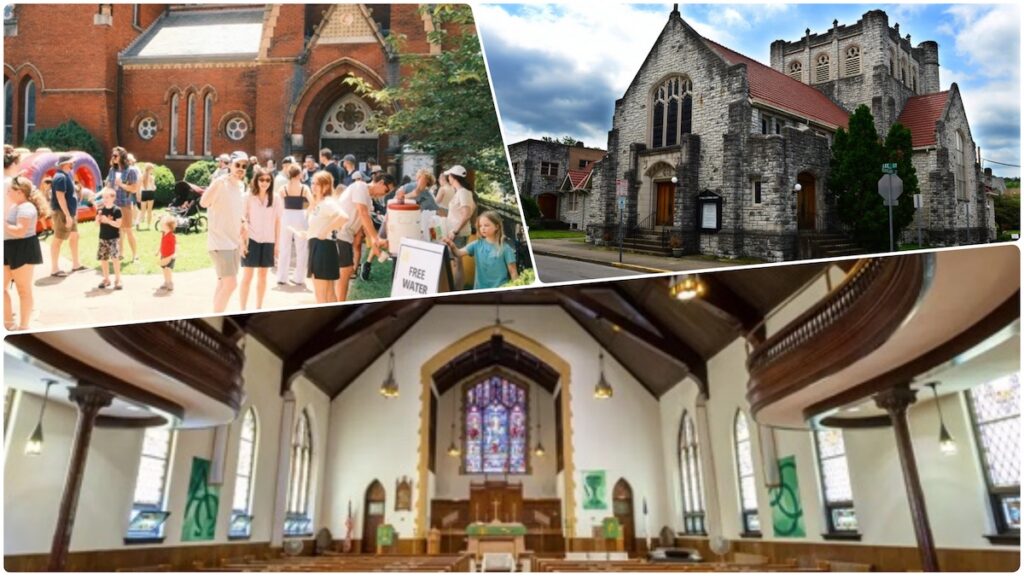

In 2024, the Church of the Good Shepherd received an extraordinary gift from the oldest Baptist congregation in Lynchburg, Virginia. The Anglican church first planted in 2011 that met across 15 years in homes and modest storefronts in the central Virginia city now worships under the tallest spire downtown, in what the Virginia Department of Historic Resources describes as “perhaps Virginia’s best representative of the High Victorian Gothic style.”
Most remarkable was the purchase price: when the deed was transferred from First Baptist Church to Church of the Good Shepherd in the fall of 2024, it was given free of charge.
Good Shepherd is among an increasing number of Anglican Church in North America (ACNA) congregations expressing gratitude to congregations of other Christian traditions that have entrusted buildings they long stewarded to Anglicans. These Baptist, Lutheran, Presbyterian and other churches prepared to conclude ministry or merge into other congregations and wished to facilitate continued Christian ministry in those places for the benefit of future generations.
The Lynchburg congregation isn’t the first local Anglican church to receive such a gift. In 2013, Second Baptist Church in Greenville, South Carolina transferred the deed for their downtown property to St. Paul’s Church, a parish of the ACNA Diocese of the Carolinas. Additionally, there are instances in which congregations with an existing property merged with Anglican church plants, such as Ashland Emmanuel Church in Ashland, Ohio. That congregation disaffiliated from the United Methodist Church and, in 2025, merged with St. Augustine’s Ashland Mission, part of the ACNA Diocese of the Living Word. The merger formed Emmanuel Anglican Church in an historic 1914 church building.
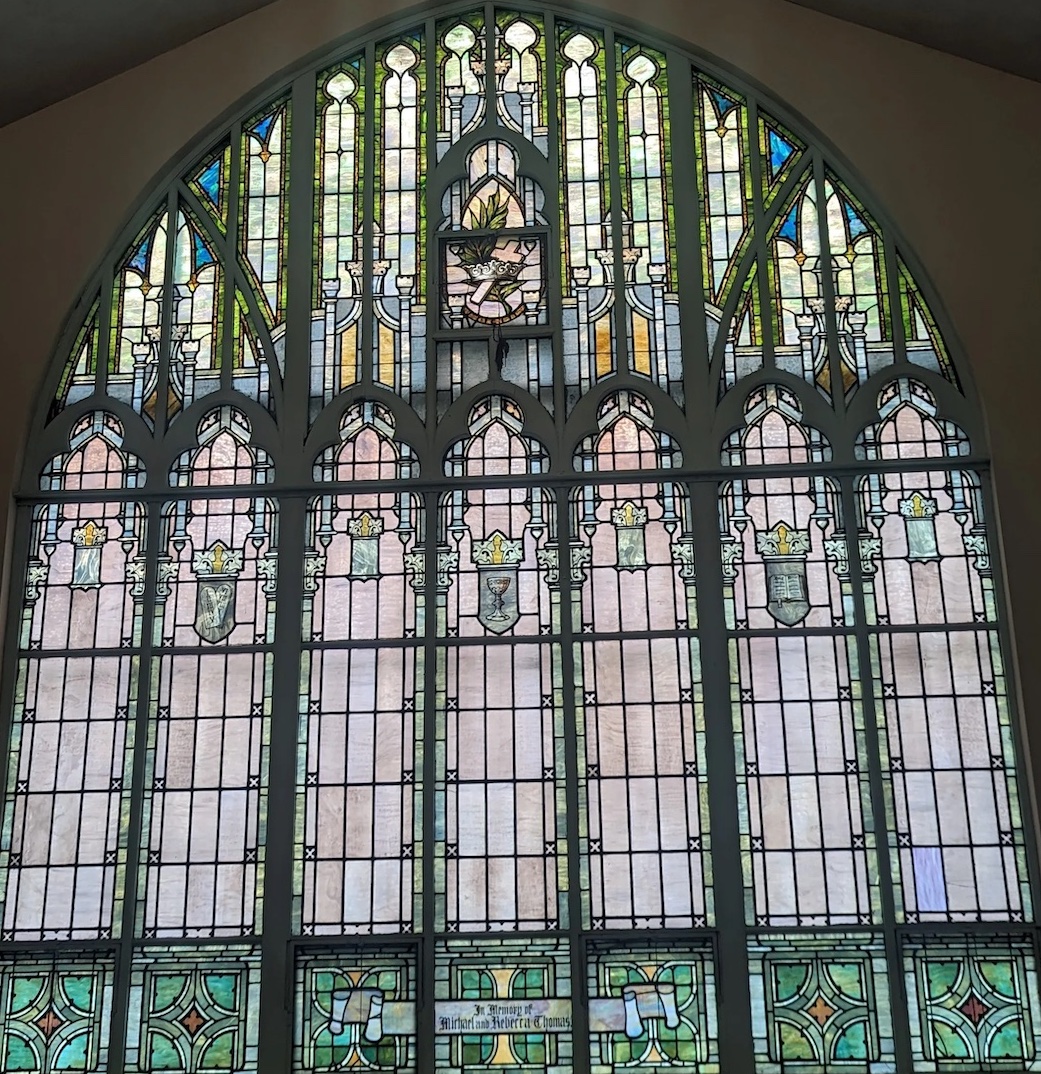
There are also many instances in which Anglican congregations were sold buildings at significantly below-market value by churches seeking to preserve Christian worship at their historic sites.
Gracious Gift
Anglican clergy at these churches describe gracious donations that were the answer to years of prayer. The properties also bring new responsibilities to form facilities committees, care for specific neighborhood communities, and have facilitated substantial congregational growth.
“We are incredibly thankful and, frankly, are often left speechless by the beauty and the resources of this building,” Church of the Redeemer (Anglican) Rector the Rev. Paul Calvin describes the 135-year-old Lutheran Church Missouri Synod (LCMS) building that his congregation received from St. Stephanus Lutheran Church in St. Paul, Minnesota when the latter voted to close.
In September of 2025, the church’s board voted to sell the building and its contents to Redeemer. The cost was $1.
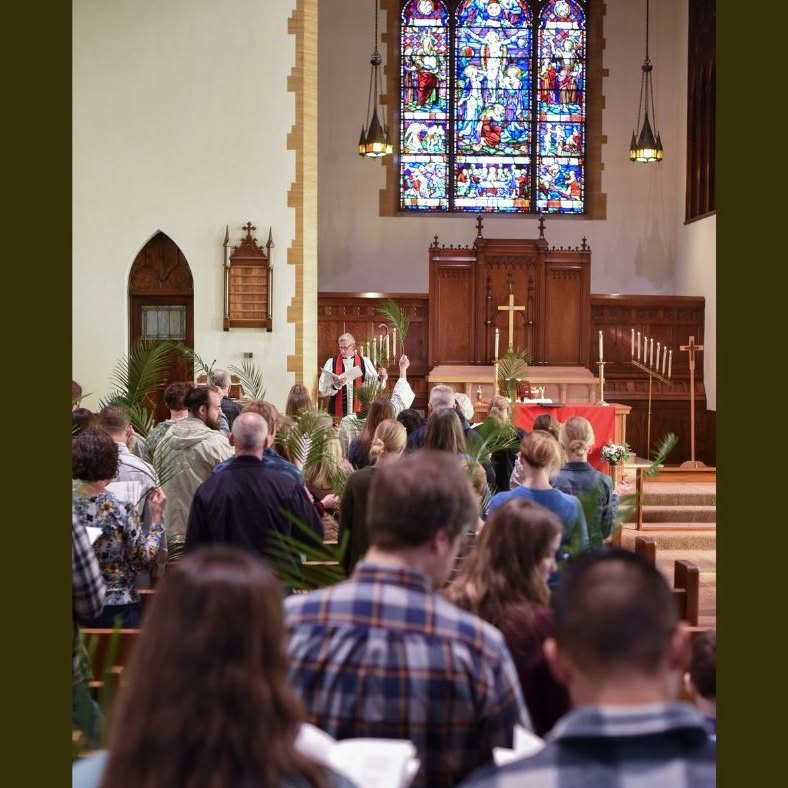
“We are grateful for the grace of God shown to us by the generosity of St. Stephanus Lutheran,” Calvin shares about the gift. “In the midst of scarcity, even in the midst of them closing their doors, they have given freely, generously, and joyously, giving themselves first to the Lord and then, by God’s will, to us.”
A Kingdom Outpost in the Neighborhood
Redeemer’s 1890 building, which Calvin notes was “kept in good shape,” has already proven advantageous to the parish. After years of holding services at 4:30 p.m. on Sunday afternoons, the congregation now meets on Sunday mornings.
“We had ‘self-selected out’ those who like football on Sunday afternoons,” Calvin jokes, noting that a morning service has seen more newcomers both arrive and return than in the preceding 15 years that the Anglican congregation was in need of its own space.
Some of those newcomers are from the Frogtown neighborhood in which the church is now located. Almost 40 percent of the church’s neighbors are foreign-born. Parish ministries have provided legal aid, groceries, and rent relief.
More young adults have also come, drawn by the historic character of the building, constructed before the advent of the automobile when development was laid out to be walkable to residential homes.
Nearby, Restoration Anglican Church in Minneapolis was given its building by another LCMS congregation in October 2021.
“Their congregation had kindly allowed us to use their space for strategy meetings and evening services; they even let me ‘office’ in the building,” recalls Restoration’s rector, the Rev. Rick Stawarz.
One of the Lutheran church’s elders approached Stawarz asking if the Anglican congregation would be interested in owning the facility.
“Their congregation had dwindled, and they wanted their building to remain a kingdom outpost in the neighborhood,” Stawarz explained. That began a conversation that eventually led to the building’s sale for $1.
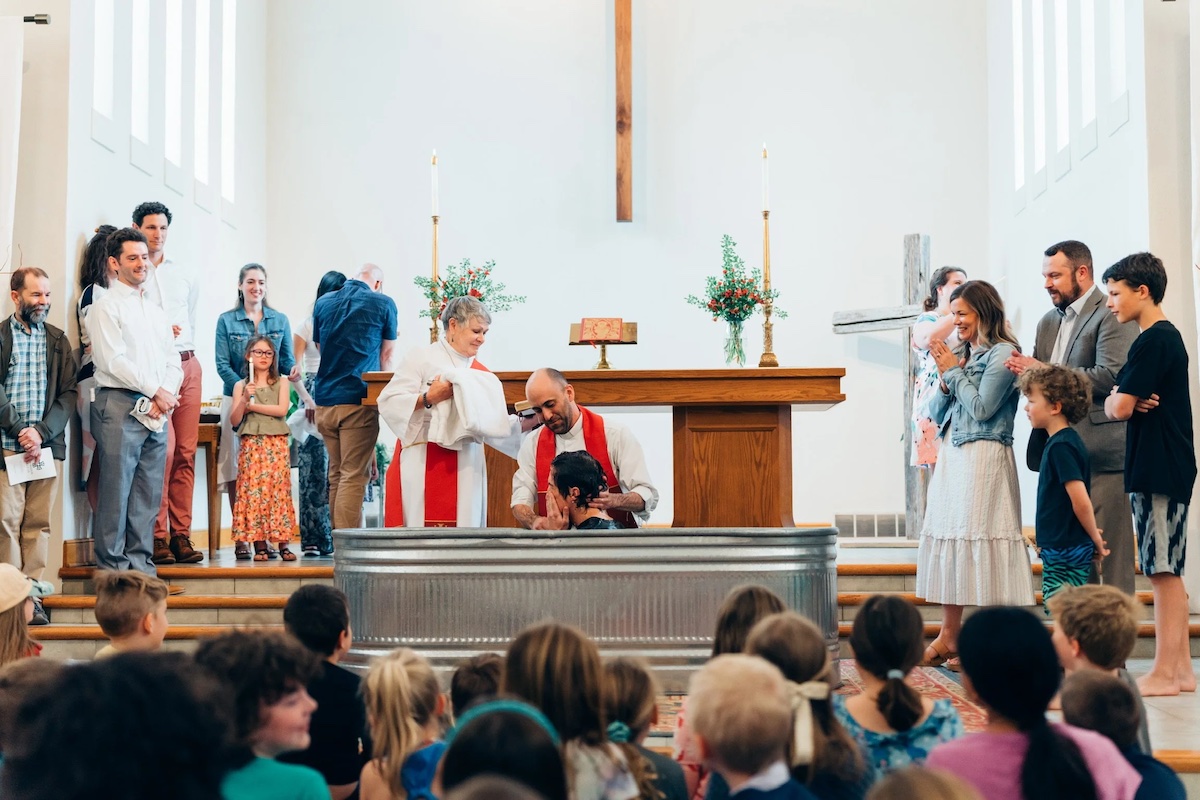
“They took fantastic care of this facility, so only basic cosmetic work was needed before holding weekly worship there,” Stawarz noted. Other pastors in the neighborhood told Stawarz that, when a relatively new church plant gets a new building, it will double in size within twelve months. “We found that to be true.”
As various tragedies hit Minneapolis, having a facility of their own enabled Restoration Anglican Church to respond through hosting onsite prayer vigils and a popup community resource closet.
“The building has had tangible and immediate impacts on our ability to serve the people of Church of the Good Shepherd,” shares Fr. Tim Brophy, who serves as Associate Rector for Lynchburg’s Good Shepherd, a congregation in the ACNA Diocese of the Mid-Atlantic. Brophy notes that gatherings now take place almost every day in the building, and Sundays see nearly 75 infants and school-aged children. Next month, the parish will host its first vacation bible school. This coming autumn, the church will sponsor an Anglican Student Fellowship at nearby Liberty University to serve the 40-50 students that already participate in the church’s ministries on a weekly basis.
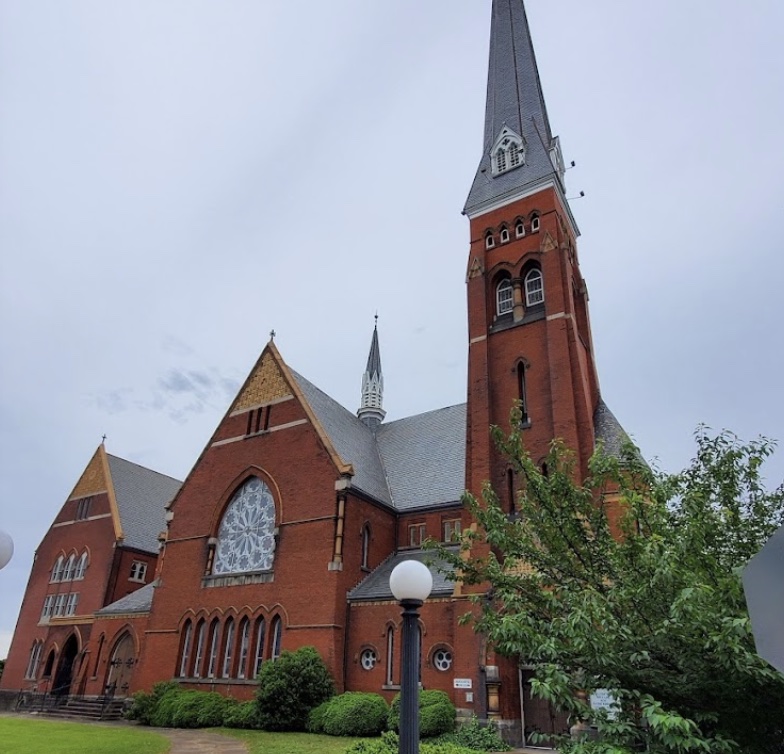
“Needless to say,” Brophy adds, “the building has had a great impact on our internal ministries.”
Inheriting an expansive space with more than one kitchen means the church can partner with local farmers and chefs; it is in the process of opening a soup kitchen to serve their neighborhood “within the next year or so.” Church-wide yard sales and block parties have also been hosted.
“There’s no doubt that we’ve seen our external ministries increase tremendously since we’ve moved into the new building and experienced the associated numerical growth,” Brophy notes, pointing to parish attendance that has increased from 50 persons through 2016 to 181 persons in 2025, a growth of 26 percent from 2024. Year-to-date, the congregation’s average attendance has exceeded 220.
A Continuing Legacy
Anglican congregations continue to benefit from newly gifted church buildings. In May, Hope Church in Charleston, West Virginia, part of the Diocese of Christ Our Hope, marked Pentecost with worship services at an originally Lutheran church building gifted by a Presbyterian Church in America (PCA) congregation.
“For a young congregation like ours, this act of generosity feels nothing short of remarkable,” wrote The Very Rev. Derek Roberts, Hope Church’s rector. “In a cultural moment where many conversations about churches center on decline and closure, we are grateful to share a story marked by generosity, partnership, and hope.”
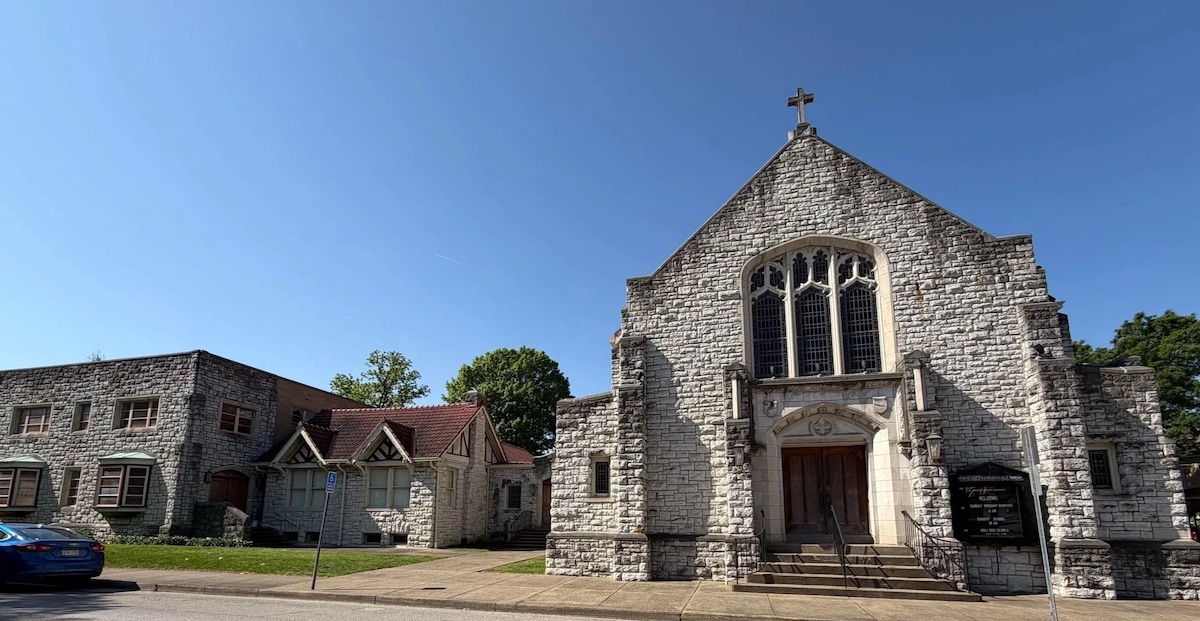
It’s a sentiment shared by Redeemer’s Calvin, who welcomed members of the LCMS church back to the building for an open house, telling the church’s former congregation “we’ve been able to do this because of your generosity.”
Among the contents of the building entrusted to Redeemer is an original 1890 silver baptismal font, etched in German, in which generations of people were baptized. Today, Redeemer’s clergy baptize with it in a sign of “taking on a mantle” of local ministry that existed there long before them. Calvin says the Lutherans told members of Redeemer “We’ve loved what you’ve done.”
“May we, and all Christians, steward God’s gifts with the faith and gracious generosity that we have experienced,” Calvin notes. “If the Lord is calling you to it, he’ll prepare you for it.”
More from IRD:
Beautiful Architecture and Mainline Protestantism
Dying Churches, Vibrant Churches
Methodist Firesale and Creative Destruction
More Resources:
Ashland Emmanuel Church, St. Augustine’s join to form new Emmanuel Anglican Church (Ashland Source)
The best Christmas gift of all? For one St. Paul church, it’s a new home (St. Paul Pioneer Press)
Restoration of historic church building (Living in Lynchburg)




Comment by David on June 16, 2026 at 10:19 am
The Church of the Good Shepherd was designed in 1884. This was nearing the end of the High Victorian Gothic period, which peaked in the 1870s. By 1890, Richardsonian Romanesque Revival style was all the rage for Protestant churches, particularly Methodists.