“But it is generally his pleasure to work by his creatures: to help man by man. He honours men to be, in this sense, ‘workers together with him’. By this means the reward is ours, while the glory redounds to him.” -John Wesley
Even though he never had any children of his own, John Wesley took a particular interest in the spiritual nurture of children, their education, and their general welfare. His own upbringing is well-known as both his father and mother instilled in the Wesley children a love for the faith within a particularly ordered household. The children were taught the alphabet on their fifth birthday, and both the boys and the girls were taught to read. This was unique at the time.
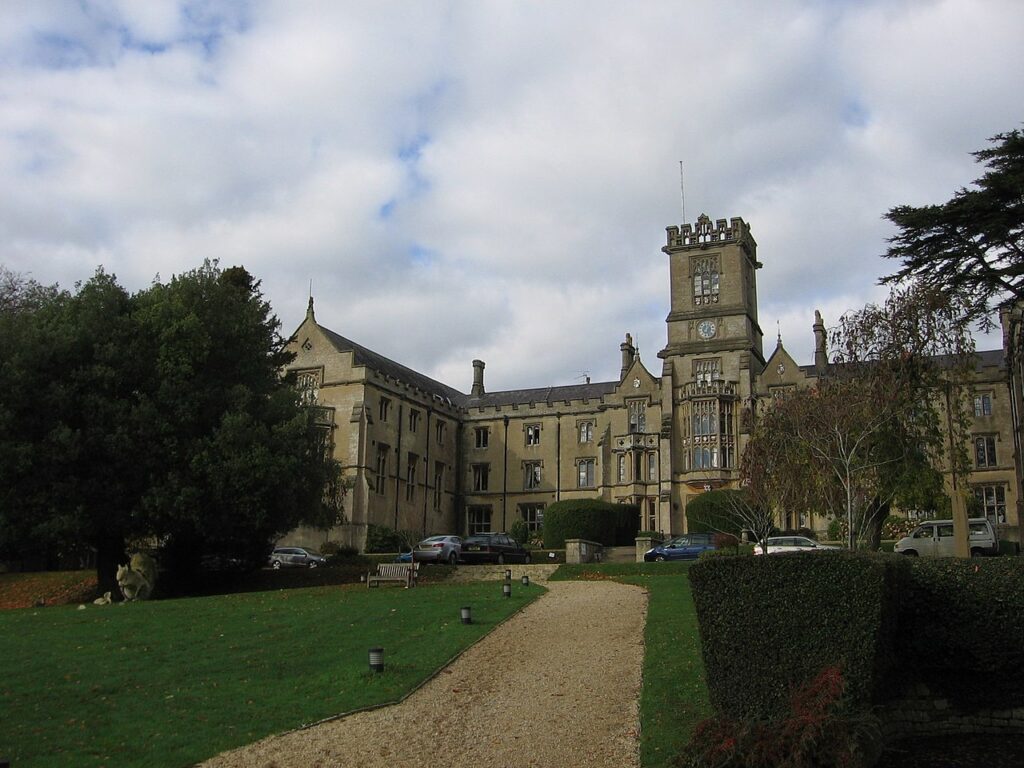
Many years later, Wesley set up the Kingswood School with a particular focus on the children of Methodist preachers. The school is still in existence today.
In 1783, Wesley wrote a sermon, “On the Education of Children.” The sermon is one of Wesley’s most practical pieces, even if his approach to childrearing would seem strict today. What he wanted to convey was not strictness, however, but the steps necessary to inculcate a love of God, a love of others, and a love of creation in the hearts and minds of children.
One of the striking claims that he makes involves each of us participating in the work of God in the world. He writes, “But it is generally [God’s] pleasure to work by his creatures: to help man by man. He honours men to be, in this sense, ‘workers together with him’. By this means the reward is ours, while the glory redounds to him.”
But in order to be open to this co-operative work, to be able to participate in it, Wesley doesn’t shy away from naming the “spiritual diseases” that plague us, and thus hinder us from doing so. And in this case, hinder us from the very moment of our birth.
He lists spiritual diseases such as atheism, self-will, pride, love of the world, anger, deviation from truth, and acting contrary to justice. And remember, for Wesley, something such as atheism is more than an overt rejection of God’s existence, it’s living as though God is not with us, even in the most mundane aspects of life.
Wesley argues that we can see these spiritual diseases in every person, and the role of education is to combat these very things. For Wesley, education was an holistic enterprise. He was looking well beyond reading, writing, and arithmetic. In fact, the word “formation” might be a better one to describe what he’s doing in this sermon.
But Wesley addressed these spiritual diseases precisely because like all disease, they hinder us. They keep us from our full potential. They detract from what is good.
God’s promise of redemption in Christ likewise doesn’t gloss over the reality of sin. Sin destroys. Sin corrupts. It leads to death of both soul and body.
And yet there is a greater calling, to be a co-worker with God, to participate in his work in the world, and to be transformed in the process. So we name the reality of sin, while we also name it’s cure, Christ himself crucified and risen. And we learn—even from an early age—to live as co-workers, empowered by grace, entirely dependent upon him, while seeing the fruit of that life all around us.
Ryan N. Danker is director of the John Wesley Institute, Washington, DC. This is adapted from a weekly JWI newsletter that can be subscribed to here.
P.S. Thank you for your support of this ministry. We rely on donors just like you and each month we have a $10,000 goal to maintain the work. Please consider a gift today here on our secure donation page or contact me directly if you would like to discuss other giving options. Thank you for your support!
No comments yet


Leave a Reply