Articles related to fallout from the United Methodist split, Baylor University’s decision to decline an LGBTQ+ program grant, flamboyant White House Faith Advisor Paula White-Cain’s return to Washington, and a still-unfolding split amongst Anglican chaplains were among readers’ favorites as Juicy Ecumenism closed out another year as the Institute on Religion & Democracy blog of church and culture news and opinion.
Below are the most widely read articles, in ascending order.
10. As Dissenters Exit, Christian Reformed Church Resists Same-Sex Affirmation
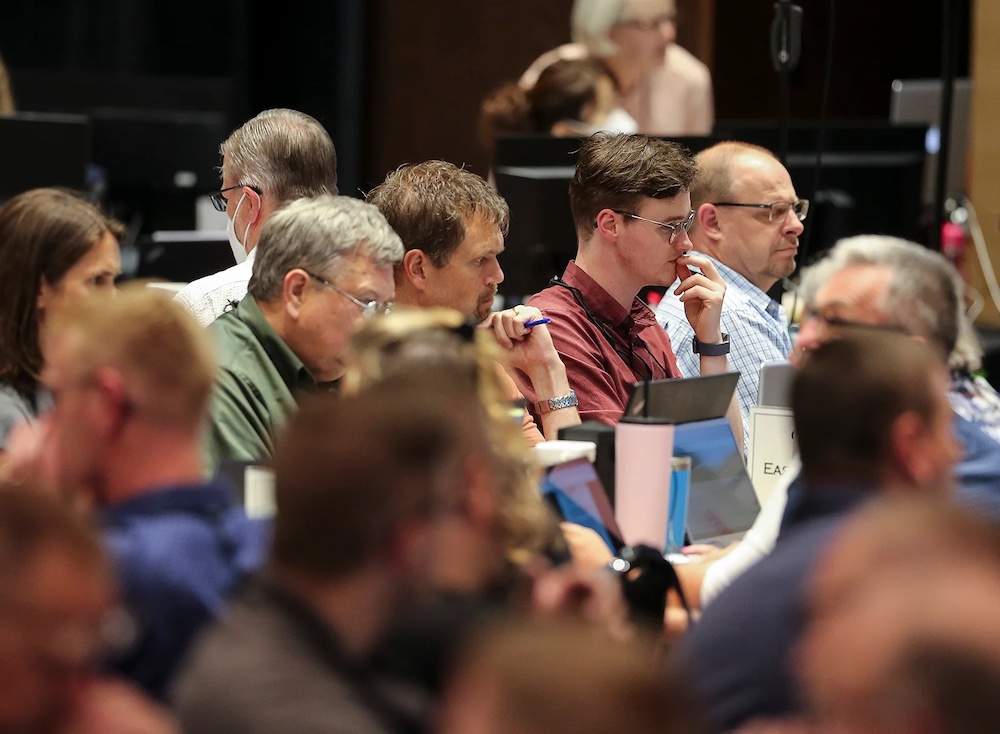
While more than a few U.S.-based churches are proceeding to affirm same-sex rites and abandon standards of sexual conduct for clergy, the Christian Reformed Church in North America (CRC) drew firm boundaries, prompting theological revisionists to begin to depart the denomination.
Michigan Pastor Aaron Vriesman’s February report noted that, following Synod 2024, theological revisionists began to exit the CRC. Multiple congregations made moves to depart, some by public announcement of intent to leave and some by officially submitting disaffiliation requests to their regional body.
9. Baylor Reverses Course on LGBTQ+ Grant
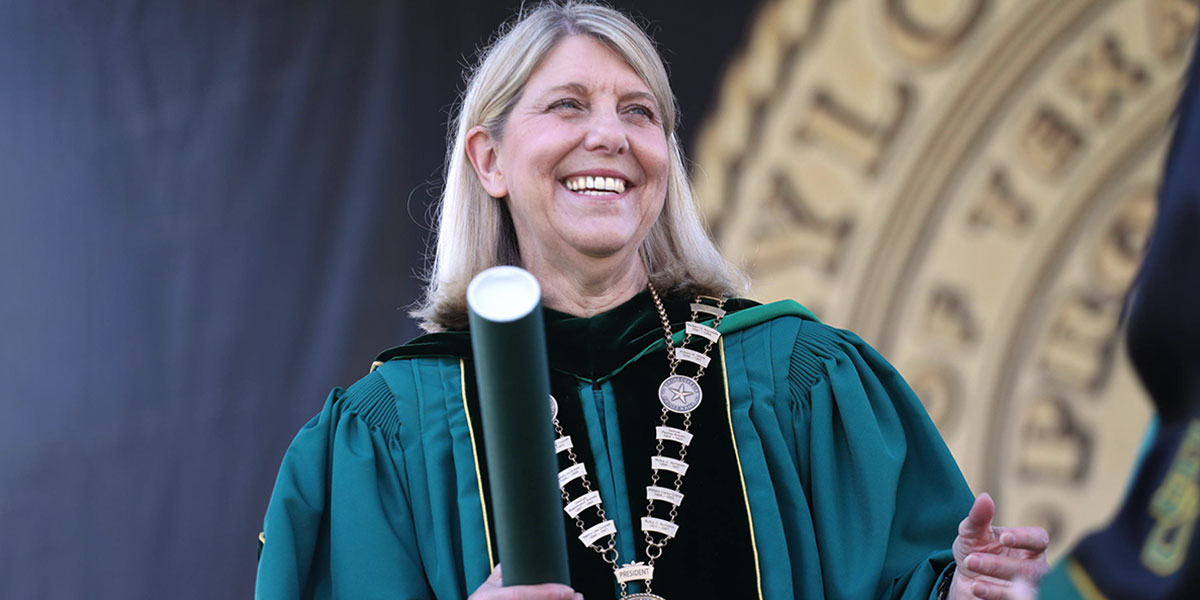
In July Baylor University rejected a $643,401 grant to study “the disenfranchisement and exclusion of LGBTQIA+ individuals and women” in the church. In announcing the decision, Baylor President Linda Livingstone reaffirmed that the viewpoints promoted by the research conflicted with traditional Baptist teaching on sexuality.
IRD 2025 summer intern and Baylor University Scholar Caitlyn Beebe was among the first to break the news, following a July 3 story she authored on the progressive foundation’s grant to Baylor.
8. Paula White’s Controversies
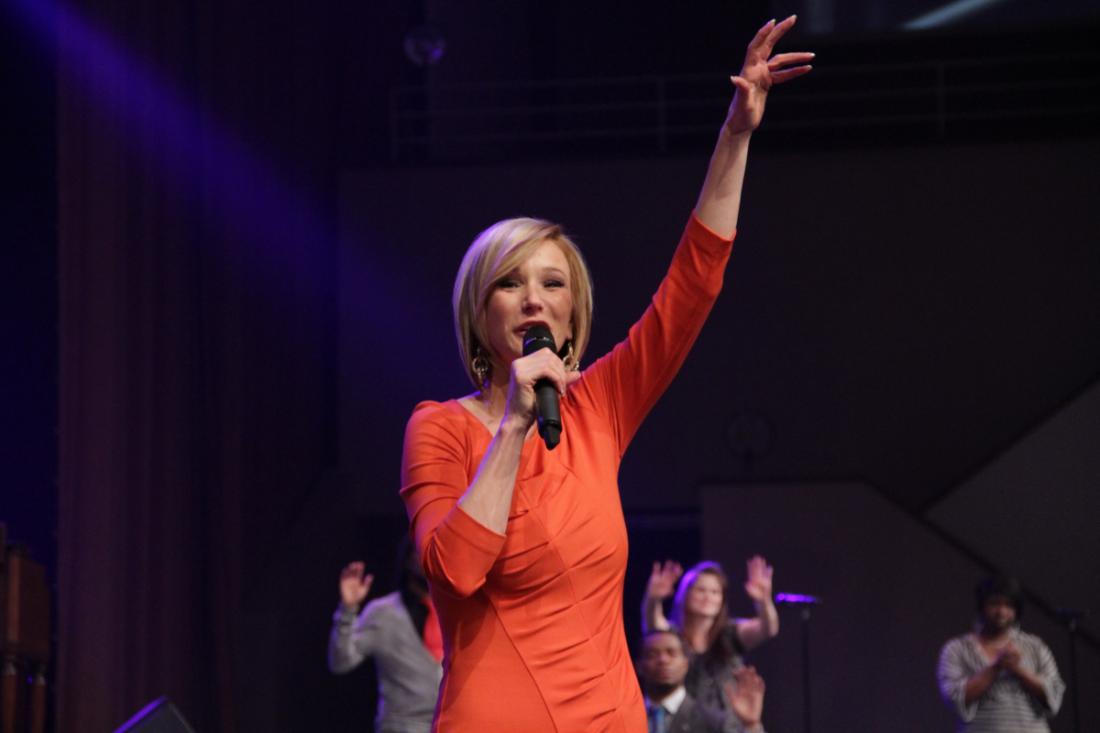
U.S. President Donald Trump’s return to the White House in 2025 also meant a return for his senior faith advisor Paula White-Cain, a Pentecostal preacher offering a flamboyant charismatic form of big dollar Christianity, with claims of direct interaction with God.
IRD President Mark Tooley’s 2020 piece about White-Cain immediately came to the top of internet searches for her name, bringing this piece from the IRD archive into our most-read pieces for the year.
In March, Mark authored a retrospective on religion and the White House, considering Christian Realist Reinhold Niebuhr’s scathing assessment of Richard Nixon’s hosting of Sunday worship services in the White House and warning of “a combination of religious sanctity and political power represent a heady mixture for status quo conservatism” that evokes a “new form of conformity.”
7. Anglican Chaplains Face Choice as Bishop Departs
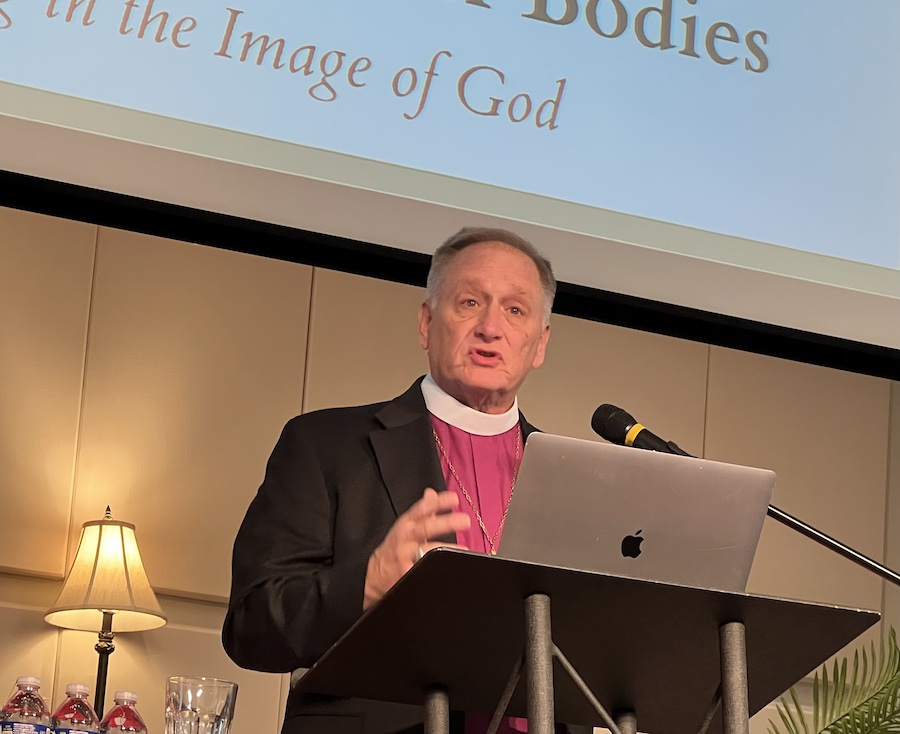
A dispute between the leadership of the Anglican Church in North America (ACNA) and its endorsing body for chaplains resulted in the latter unilaterally cutting ties with the North American church in September. ACNA endorses more than 300 chaplains, 187 of them in the U.S. military, twice the number endorsed by the Episcopal Church.
IRD Anglican Director Jeff Walton wrote that the dispute arguably evinces how American culture wars affect the church, as the departing bishop claims his allegedly woke denomination is punishing him for his outspoken views. Bishop Derek Jones subsequently initiated litigation in Federal court against the ACNA, the leadership of which brought a presentment (canonical indictment) against him alleging ecclesial abuse that is prompting a church trial.
The Anglican chaplaincy itself has effectively split, with an apparent majority of its military chaplains remaining with the ACNA while Jones recently announced that he is founding a new religious body, the Anglican Reformed Catholic Church.
6. Request For Disaffiliation Info: West Virginia United Methodist Bishop Responds

More than 30 local churches headed to court in a lawsuit filed against the West Virginia Annual Conference of the United Methodist Church, claiming that they were denied disaffiliation and given misleading information by the Conference.
IRD’s Sarah Stewart authored a January article detailing the lawsuit. She reached out to the West Virginia Conference seeking comment from incoming Bishop Debra Wallace-Padgett regarding the disaffiliation process. Conference Director of Communications Bryan Beatty responded on behalf of Wallace-Padgett in what became one of our most-shared and most-read pieces of the year.
5. Required Repentance: Ohio United Methodists ‘Still Failing’

IRD’s Stewart again authored a popular piece in August, this time as the United Methodist Church’s West Ohio Conference required clergy in attendance at the annual gathering to participate in a liturgy compelling them to repent for the UMC’s former stance on marriage and sexuality.
Stewart wrote that the conference’s message was clear. There is room for traditionalists only if they repent for their beliefs and moral convictions.
4. The Future of United Methodism – Part II
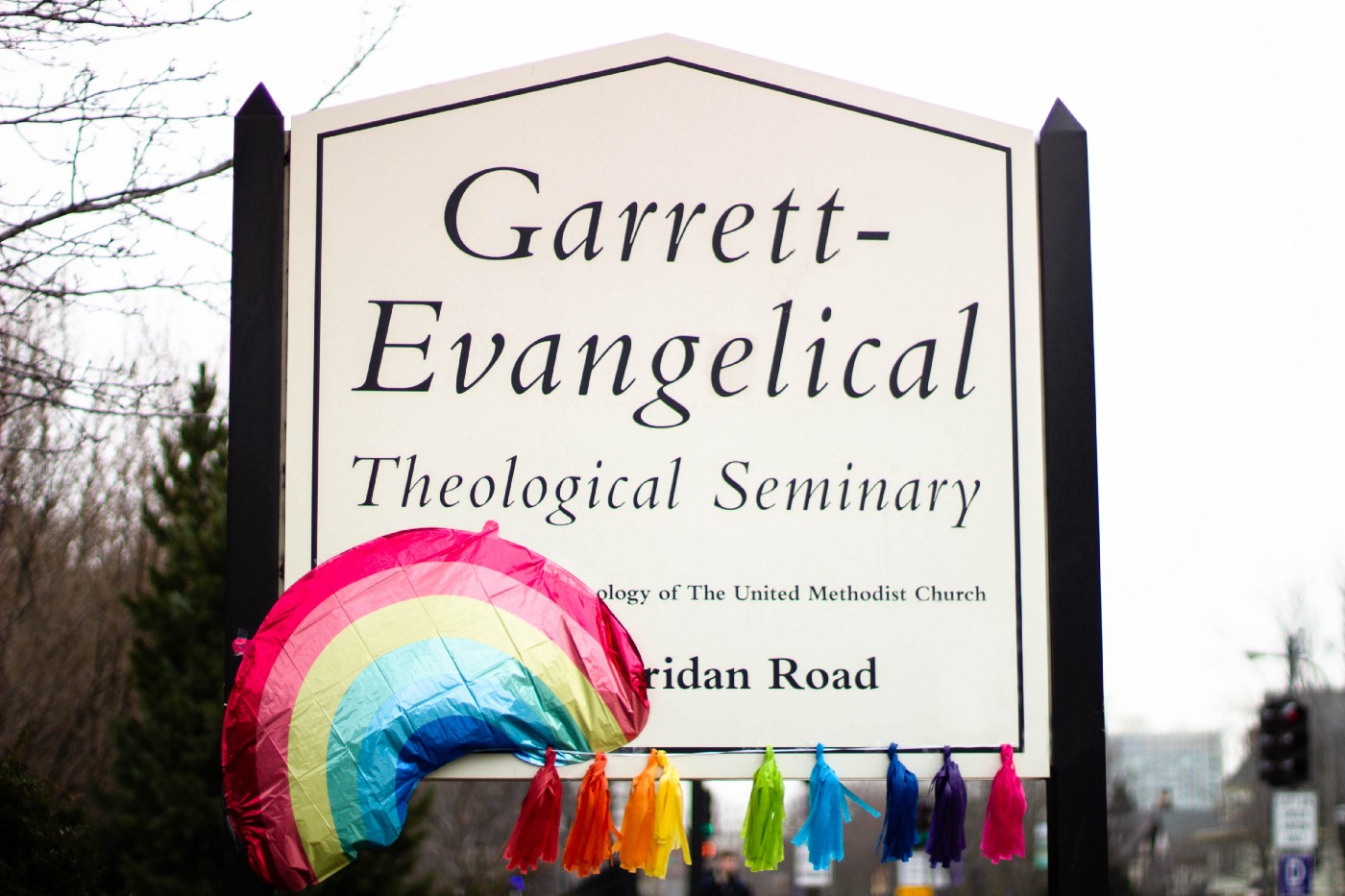
Retired United Methodist clergyman Riley Case in March authored a piece arguing for Methodists to recover, reaffirm, and proclaim classic Wesleyan and Methodist doctrine, while also either closing or merging most official United Methodist seminaries. With a 60 percent decline in membership since the Methodist Church and the Evangelical United Brethren merged, Case argued that it makes no sense to have the same number of seminaries, with Duke Divinity School and United Theological Seminary the only two of 13 UMC-affiliated schools within the top 25 U.S. seminaries. Meanwhile, seminaries outside of the denomination, including Asbury, train significantly more UMC pastors for ministry.
3. United Methodist Lobby Promotes Queer Theology Course
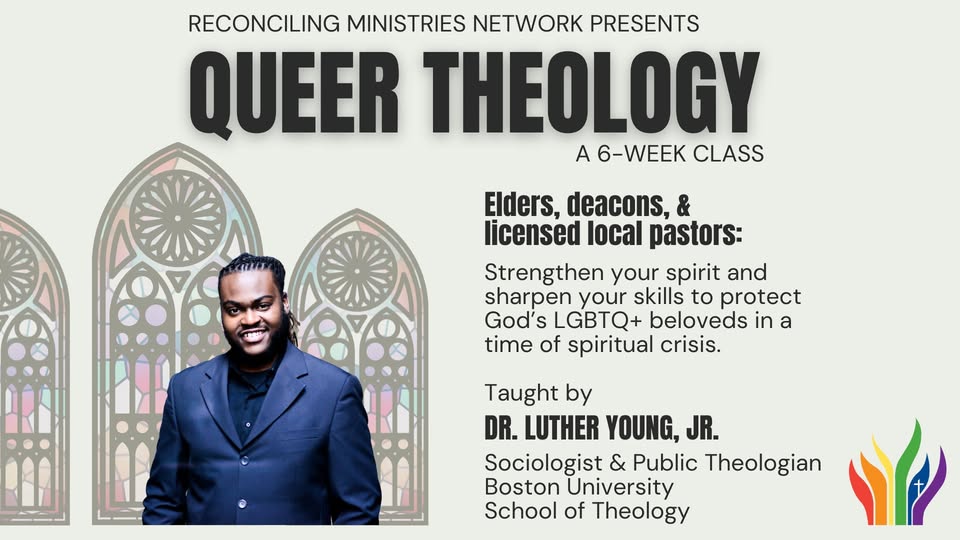
When the United Methodist Church’s official public policy arm partnered with an LGBTQ caucus to offer pastors a course in Queer Theology, IRD’s Sarah Stewart wrote that it was a sign of the denomination enthusiastically leaning into its new status as an “ally.”
The General Board of Church and Society and the Reconciling Ministries Network course was among the latest changes following General Conference and the exit of nearly 8,000 local churches. Delegates to the denomination’s governing convention had removed language in the Book of Discipline and clergy conduct guidelines prohibiting same-sex behavior.
United Methodist officials claim that both traditionalists and progressives are welcome in the denomination. But Stewart wrote that the post-separation UMC demonstrated that it has no interest in neutrality, instead seeking full affirmation of same-sex rites and behavior.
2. United Methodist ‘Safe Sanctuaries’ Excludes Traditionalists
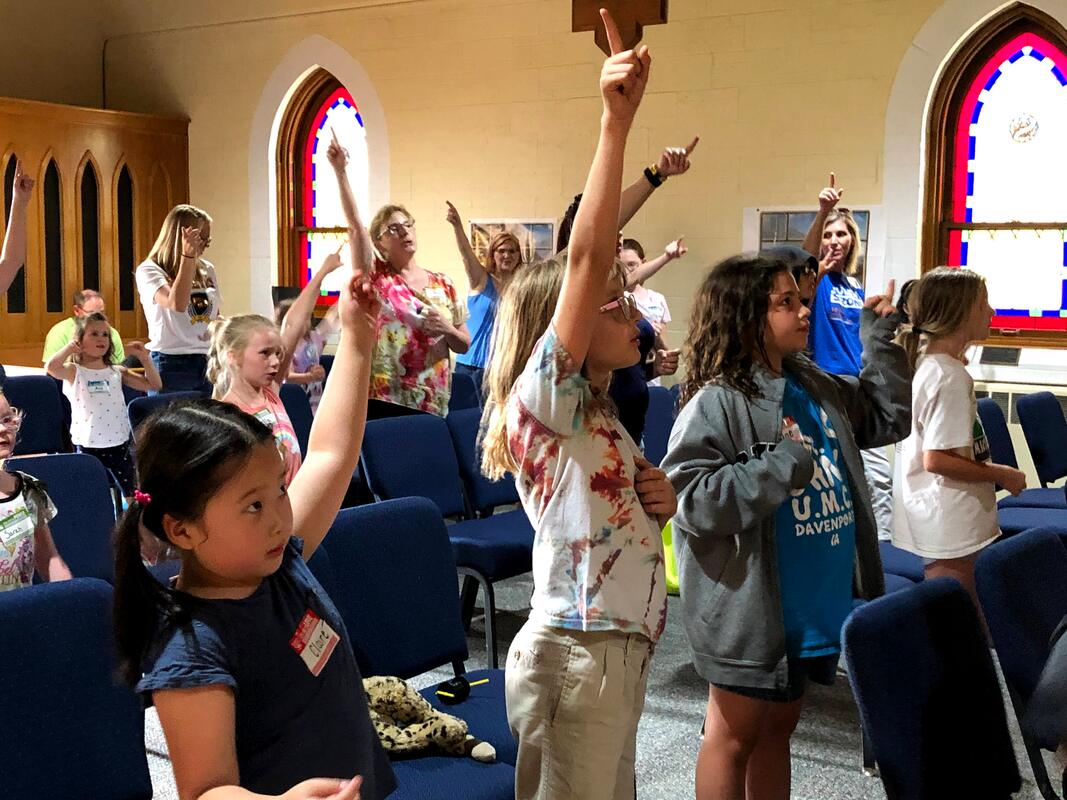
Since General Conference took place, the United Methodist Church in West Virginia insisted that all viewpoints on sexual matters would be respected and that individual churches could act in accord with their conscience.
IRD’s Sarah Stewart found that recent conference actions demonstrate that this is not the case. The WVUMC chose to update its Safe Sanctuaries policy to include a section on “LGBTQ+ Youth” and, despite its vague language, found that it is anything but inclusive.
1. Seeking Disaffiliation, Churches Sue West Virginia United Methodist Conference

The West Virginia Conference of the United Methodist Church faced a significant legal challenge following backlash from changes made at General Conference.
Officials with the WVUMC, including Bishop Debra Wallace-Padgett, her immediate past predecessor Bishop Sandra Stiener-Ball, and all of the conference’s district superintendents were named in the lawsuit. In the filings, more than thirty WVUMC churches accuse conference officials of providing “fraudulent” information, which prevented the churches from disaffiliation before the December 31st deadline in the UMC Book of Discipline.
IRD was given a copy of the court filing and spoke with the law firm representing the plaintiffs, National Center for Life and Liberty. It was our most-read article for 2025.


Comment by Wilson R. on January 5, 2026 at 1:33 pm
Only one of your “top stories” wasn’t about gays or culture war issues?
Y’all might want to consider a broader understanding of religion and democracy.
Comment by Glenn Wheeler on January 5, 2026 at 10:44 pm
Absolutely agree, WilsonR
Comment by Different Steve on January 6, 2026 at 9:14 am
Y’all don’t seem to understand how the articles were chosen.
“Below are the most widely read articles, in ascending order.”
Comment by Wilson R. on January 6, 2026 at 10:39 am
When the preponderance of what you publish are stories about gays and culture wars, then they’re going to be the most widely read.
Especially (constructive criticism to the site’s operators) when transcripts of your interview stories are not available to read or skim. I’m more likely to spend time with those stories if I have the option of browsing instead of having to invest 30 minutes in watching a video.
Comment by Different Steve on January 12, 2026 at 1:32 pm
How many of a type of article gets published has nothing to do with their relative popularity. And of the top ten only one was by Walton and it was not about gays and culture. As for lack of transcripts maybe if your criticism were in fact constructive maybe they’d be more inclined to accommodate you. Do the work if you actually care.