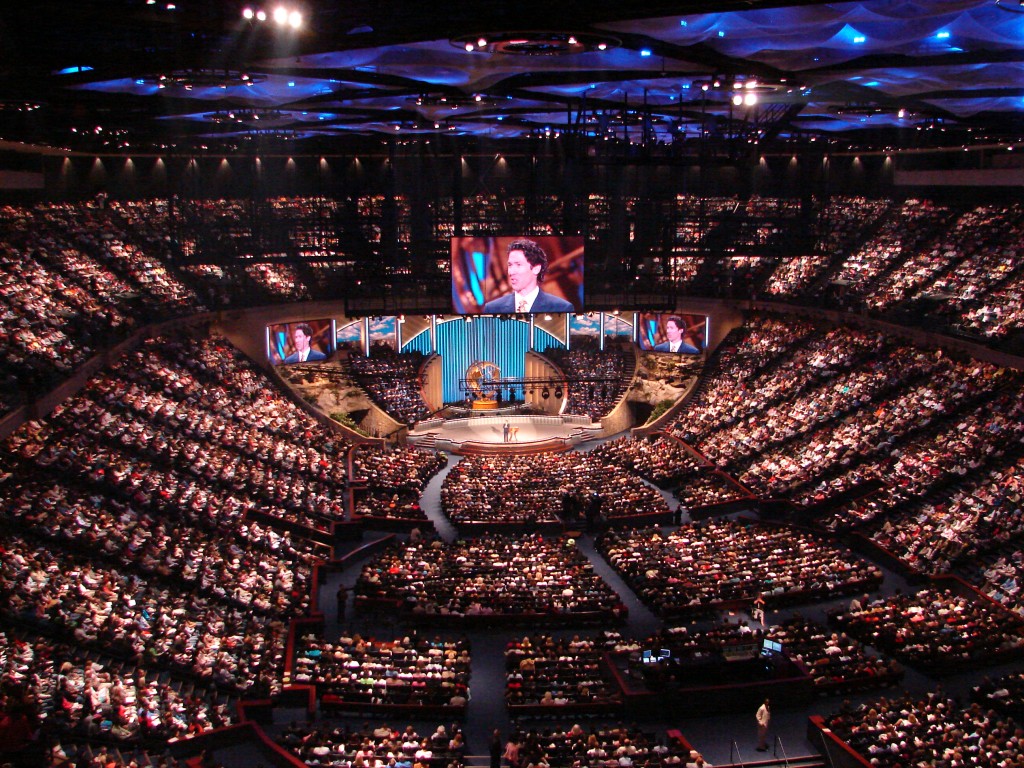
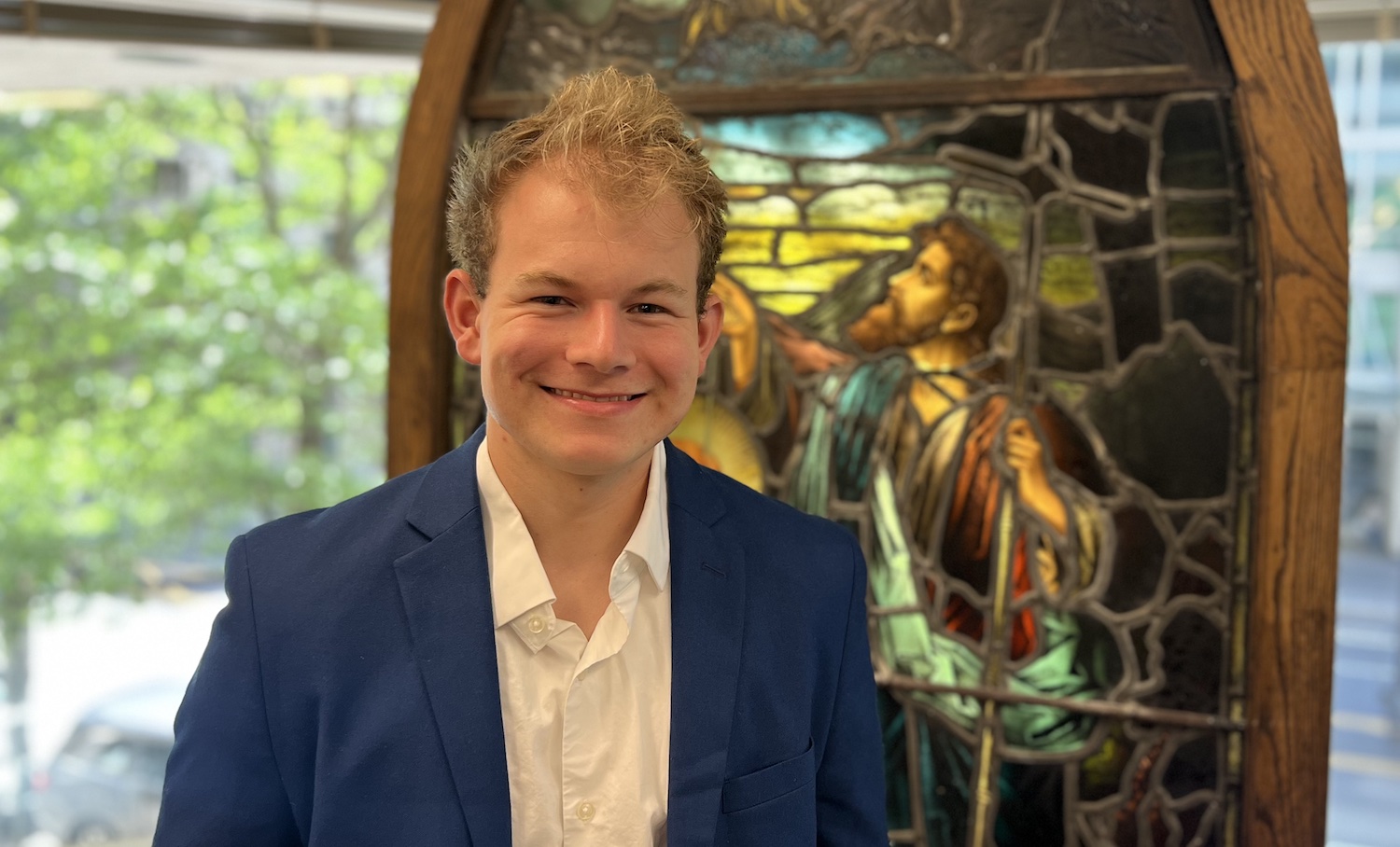
Evangelical megachurches have grown to fit a stereotype. A young pastor with trendy clothing, a cheerful welcome team with name badges, a large and vigorous youth program, an expansive worship band with the latest production tools, and a dark auditorium with haze and colored lights. According to many of these churches, such atmospheric choices are intended to appeal to young people. There is, of course, nothing wrong with trying to bring young people to Christ. Matthew 28:18-20 tells followers of Christ to make disciples of all nations and young people should certainly not be neglected.
The methods by which megachurches try to bring in young people, however, are often brought into question. Some accuse megachurches of secularizing themselves and attempting to imitate secular music concerts in an attempt to appeal to the younger generation. Additionally, many accuse evangelical megachurches of attempting to farm an experience rather than focusing on the truth of the gospel.
Critics argue that megachurches use fog machines, loud music, and colored lights to create an experience that will make people feel emotionally and spiritually moved. Many argue that these emotional atmospheres are intended to make people feel emotionally connected with God and emphasize feelings of spirituality over issues of doctrine. Others accuse megachurches of attempting to create an emotional atmosphere where people feel guilty about their sin and feel pressured into salvation.
If these are indeed the intended aims of megachurch atmospheres, there are striking resemblances to the camp revival meetings of the Second Great Awakening (SGA).
An enormous Christian revival in the United States, the SGA occurred between 1800 and 1835 from Tennessee to Connecticut. Notable effects of the SGA were a shift in the character of American Protestantism and numerous social reform efforts spawned in antebellum America. The SGA was largely driven by Methodist circuit riders such as Francis Asbury. Traveling evangelists like Asbury would convene camp meeting revivals in remote wilderness areas of the U.S. These camp meetings would usually consist of many hymns interspersed with tag-team preaching by traveling evangelists and often attracted thousands of people. Most numerous among traveling evangelists were Baptists and Methodists. These camp meetings were ripe with emotion and passion. Much like modern megachurch pastors, evangelists preached for the common frontier man, using fiery, down-to-earth language that could be easily understood by frontier settlers.
The most prominent evangelist of the time was Charles Finney. Often painted as a religious salesman and professional revivalist, Finney believed that success as an evangelist was measured by the number of conversions one could elicit. When accused of using emotional manipulation to push people toward accepting Christ, Finney responded by saying,
“The results justify my methods. Thousands upon thousands of converts prove my methods are sound.”
What methods exactly did Finney utilize? In his evangelistic crusade, Finney implemented what he called the New Measures, which can more accurately be described as mood management. Finney often used hymns to emotionally prepare audiences for a religious experience, creating an atmosphere that was conducive to conversions. As the genesis of today’s altar call, Finney called unsaved men to come sit at the mourner’s bench, or mercy seat, in front of the crowd and receive a special prayer for salvation. Finney popularized the mourner’s bench, which led to it appearing more often in different churches. From the pulpit, Finney also occasionally called out non-Christians by name, increasing the pressure on them to make a conversion to Christianity. According to Finney, conversions would certainly occur if evangelists planned, advertised, utilized the emotional impact of music, and strategically managed emotions.
In many ways, it could be argued that modern evangelical megachurches operate in the same way as Finney’s SGA meetings.
Many megachurches seem to ascribe to Finney’s New Measures, using emotional music, lighting programs, and foggy haze to create an emotional atmosphere. Modern megachurch pastors rarely call out non-believers by name, but altar calls are common as an emotional culmination for a worship service. On stage, pastors dress down, often wearing jeans and sneakers to make Christianity seem easy and accessible to non-Christians. In their sermons, megachurch pastors relate their messages to everyday life and the hot topics of the day, trying to make their message simple and accessible for all. Although megachurches less commonly sing hymns, most still use contemporary Christian music (CCM) to set an emotional mood that is conducive to spiritual experiences.
There are many ties between the modern evangelical megachurches and Finney’s New Measures during the Second Great Awakening. Both movements attempt to save souls for Christ by creating an emotional atmosphere. Those who oppose these movements accuse them of emotional manipulation and shallow Christianity. Whether emotional manipulation is an intentional strategy for modern megachurches is unclear. Many aspects of megachurches are undoubtedly intended to draw young people into the church but to make further assumptions about the intent behind such measures would be speculative.


Comment by William on June 9, 2025 at 11:59 am
I think one significant difference is that people went to camp meets or revivals and then went back to a local church where many were disciple and given Biblical and theological teaching. I am not sure that mega churches that act like one endless revival are healthy.
Comment by Gary Bebop on June 9, 2025 at 1:26 pm
The author might also have noted the striking resemblance between megachurch strategies and postwar youth evangelism rallies of the 1940s & ’50s. That era was characterized by flamboyant personalities, spectacular promotional stunts, massed choirs, and exceptional platform voices. Those voices were convictive and memorable. They should be studied for their efficacy.
Comment by David on June 9, 2025 at 2:08 pm
Fog machines are too much. They will be having tongues of fire lighting next. As they age, people put away childish things. It will be curious to see if these converts hang around.
Comment by Gary Bebop on June 9, 2025 at 5:26 pm
There were great voices and significant missions that emerged during postwar youth evangelism.. Most notably were Billy Graham and his crusades. But he was not alone. Youth For Christ was a direct result. In its early days, the antics of YFC rally directors were idiosyncratic and bombastic. They often dressed in outlandish fashion, and were fond of Cadillacs and sports cars. High school youth were both enthralled and moved in the direction of Christ. YFC was a phenomenon of the times, attracting positive media attention. The impact of that brief period continues in the countless numbers of persons who dedicated their lives to Christ and Christian service, or public service, as a result.
Comment by John Reuter, Esq. (Ret.) on June 9, 2025 at 8:42 pm
Marketing and sales applied to Christianity, nothing more, nothing less. Takes monet to be anything and everything for anybody and everybody. From the mega-churches to the newly planted; it’s all just business, plain and simple.
Comment by Tim Ware on June 10, 2025 at 12:32 am
Just as in the book of Ezekiel, when the Old Testament deity left the temple, so has God left American institutional Christianity. And so we get the decline of the PCUSA, the UMC, the ELCA, et.al., and the pitiful, doomed whimpering of the GMC.
And so with a “Christianity” without God, we get the marketing shenanigans, the personality cults, and the stage shows of the megachurches and wannabe megachurches.
All doomed to fail, no matter how much of a flash in the pan they make.
Many false prophets shall arise and will deceive many.
Comment by April User on June 10, 2025 at 10:20 am
It’s outreach and not worship. Please don’t call it worship.
Comment by Daniel on June 10, 2025 at 11:09 am
No human evangelist ever converted anybody or saved a single soul. This is done only by the faithful preaching of the Gospel and the action of the Holy Spirit.
Comment by Gary Bebop on June 10, 2025 at 12:25 pm
Hostility toward revivalist uprisings reveals misunderstanding of the Spirit’s surprising ways. The Spirit will not be constrained by vessels of the status quo. I think that’s the point of the article at issue. These moments or episodes or eras of special momentum were never intended to be everlasting in their style or dash. Yes, they eventually burn themselves out. But they anticipate the Spirit’s next interruption of the way things are. The current devolution of the mainline churches only presages what comes next. Don’t quench the Spirit.
Comment by Beth on June 10, 2025 at 3:15 pm
I wonder if even the Holy Spirit can take the deafening music played in the Mega churches.
Comment by David Gingrich on June 12, 2025 at 8:14 am
I guess that a similar article could have been written about pipe organs 200 years ago.