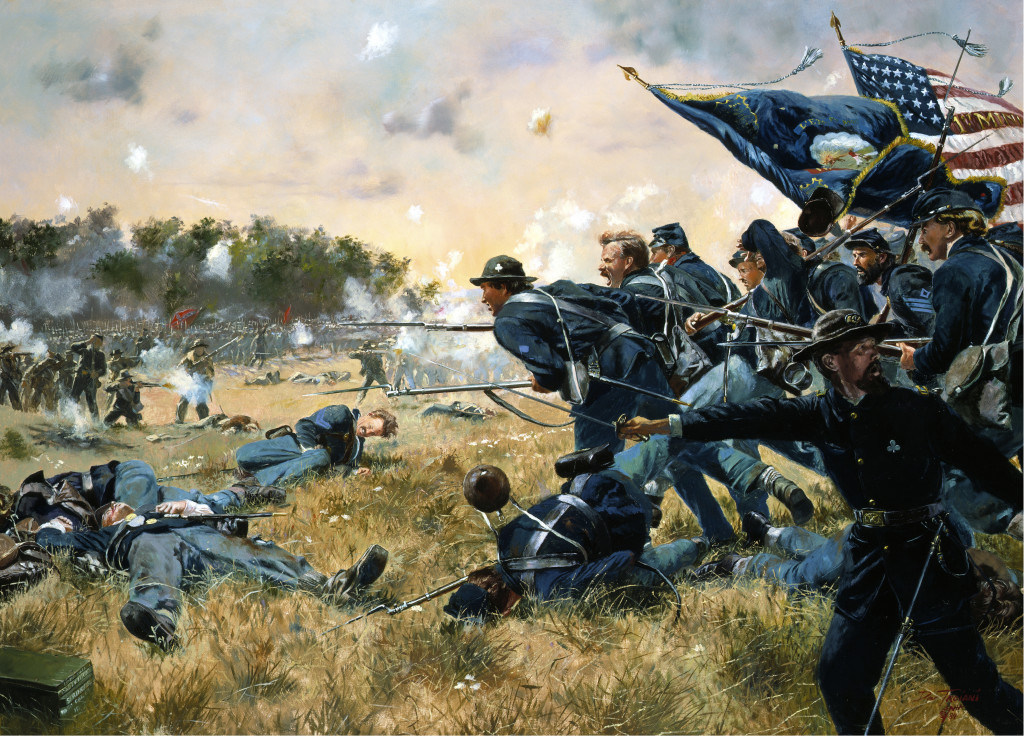
The Civil War was a defining event in American history that continues to provoke ire and controversy today. But what if it never happened? I recently had the privilege of interviewing Mark Tooley, president of The Institute on Religion and Democracy, about his most recent book The Peace That Almost Was: The Forgotten Story of the 1861 Washington Peace Conference and the Final Attempt to Avert the Civil War. The book recounts the fascinating story of a last-ditch effort to prevent America’s bloodiest war. In the questions below, Mark offers his insights concerning the Peace Conference and the lessons we might learn from this historic event.
JW: What motivated you to write a book about this attempt to prevent the Civil War? What do you hope this book will accomplish?
MT: The publisher hoped the story might offer our own polarizing times an example of conciliation. But the story actually shows how some disputes are not reconcilable, and conflict maybe inevitable. The story also shows there are even in failure some small steps that serve a providential purpose. I hope the story reminds that our own times are fairly tame and manageable compared to past polarization and crises.
JW: How did the conference come together? What was its intended goal?
MT: In early 1861 the country was spiraling out of control, with the union fracturing into two or possibly more sections, and civil war increasingly likely. Old former President John Tyler, who had literally known the Founders like Madison and Jefferson, possibly even meeting Washington as a boy, proposed there be one great last effort to save the union through a Peace Conference. Its purpose was a compromise that would hold the remaining states together and possibly even lure back the seceded states.
Visit Canon & Culture here to read the complete interview.
No comments yet




Leave a Reply