
“…none but a Christian is happy; none but a real, inward Christian. A glutton, a drunkard, a gamester may be ‘merry’; but he cannot be happy.” -John Wesley
The words above come from Wesley’s 1780 sermon “Spiritual Worship,” and it has an even deeper meaning than might appear at first glance.
Wesley uses the term “happy” here in a classic way, following the example of the ancient philosopher Aristotle. Happiness is more than momentary joy or excitement. Happiness in this classic sense is deeper, not fleeting, and more in line with what we might call contentment. It’s a state of being.
Note that Wesley contrasts happiness with temporary merriment, and the many ways that people seek that temporary state.
In the classic sense, happiness describes a life with purpose, one fulfilling its calling, a life lived as it was designed and meant to be lived.
There is a yearning in the human soul, even a restlessness, for this happiness. And this is a good thing. But sometimes we seek it in all the wrong ways, embracing the momentary experience, the quick high or satisfaction, but it will never do. Deep down we know this. It will not produce happiness.
And Wesley points to this by clearly stating that “none but a Christian is happy” and adding that by “Christian” he means “a real, inward Christian.”
Within Wesleyan theology we often speak of inward and outward holiness. Outward holiness is what we can see in a person’s life, the way they live, how they treat others, and even what they avoid. But true outward holiness (as opposed to legalism) comes from inward holiness, a transformation of the heart.
The transformed heart is one empowered by grace that it might mirror the very heart of Christ. This inward holiness is reflected in outward holiness. Inward holiness is the result of God’s work within us, our cooperation with His work, and it is where true happiness is found. This is what Wesley was talking about.
It’s also similar to what Augustine of Hippo said in his Confessions where he wrote, “our hearts are restless until they find their rest in Thee.” That longed for rest is fulfilment, contentment, purpose, happiness.
Or its similar to something that Thomas Aquinas said when he wrote, “Nothing created has ever been able to fill the heart of man. God alone can fill it infinitely.”
The beauty of this happiness is not only that it is real, but that it is available to all. That yearning in the human heart is nothing less than the work of the Holy Spirit. And we can respond to it at each and every moment and experience happiness, in the words of Wesley “even now.”
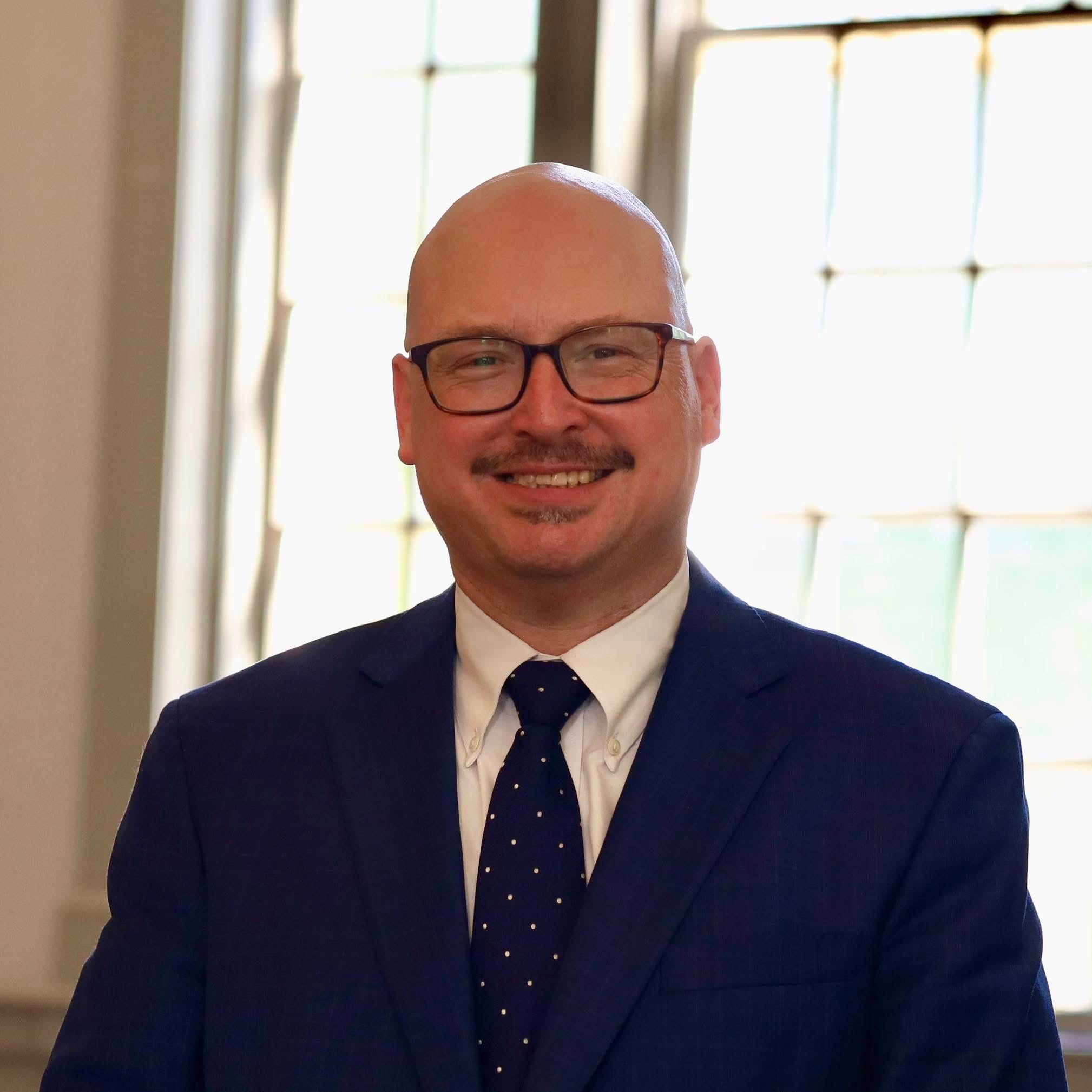
Ryan N. Danker is director of the John Wesley Institute, Washington, DC. This is adapted from a weekly JWI newsletter that can be subscribed to here.
P.S. If you enjoy the work of the JWI and our many projects to promote Wesleyan Christianity, please consider a gift today here on our secure donation page or contact me directly. We are here to equip the Wesleyan family, but we need your help. Thank you!




Comment by Salvatore Anthony Luiso on July 21, 2026 at 2:18 am
Thank you for this informative article. I will tell others about it.