
With their evangelical conversions, the Wesley brothers are changed. And they’re caught up in an international movement of the Spirit that is sweeping up people of all walks of life, in different church traditions, even seemingly opposing ones. We have to keep in mind that the Revival included Calvinist stalwarts such as the London firebrand William Romaine, the author of “Rock of Ages,” Augustus Toplady, and the former slave boat captain turned hymn writer, John Newton. The upper classes are even caught up in this movement, including such figures as Lady Huntingdon and Lord Dartmouth. But the average participant is not some noteworthy or powerful figure; these are everyday people, often women, who experience a life-changing encounter with Christ. They are the heartbeat of the movement.
What we see in the Wesley brothers, though, is a deep yearning to share the good news. In fact, in the earliest years of the Revival, they are so passionate in their desire to share their experiences that they offend many clergy and congregations who might have otherwise been more open to them had they been less zealous. And they’re kicked out, or even blocked out, of pulpits for it! This isn’t simply because of their lack of tact, but in many cases because their behavior – and some of their language – is reminiscent of previous mavericks, some of which upended the very peace of Britain, igniting the civil wars of the previous century. The concern about renewed violence is lost on the evangelists, but not on everyone.
The Wesley brothers, George Whitefield, and Peter Boehler established a new religious society on Fetter Lane in London in response to their experiences of the Spirit. But this was anything but a quiet gathering of Christians. And it both attracted an international gathering but also served to spread experiential Christianity well beyond its walls. Hempton called it “a religious pollen factory.” Fetter Lane attracted all sorts of people, from high church Anglicans like the Wesley brothers to Central European pietists and even those called the French Prophets, a highly controversial and eccentric group. There were reasons why the Wesleys’ friends wrote them letters during this period worried that they’d been caught up in some form of religious extremism. But it was all part of a new experiential Christianity and the brothers were open to quite a bit of it, but not all of it.
Experience by its very nature is subjective. For example, I can’t tell you what you experienced, but you can try to explain it. However, that explanation is anything but objective. Experience is personal, even when felt by larger groups of people. On its own, experience can only unite people so much. In terms of the larger Evangelical Revival, the radical experience of the new birth – being made new by the Holy Spirit – united evangelicals across social, economic, national, and theological differences. The idea that an encounter with Christ changes a person, and that this change is not simply a change in lifestyle but a religious conversion, an awakening, brought people together in ways that no one expected. But once you try to put that experience into words, to share it even, our perspectives come into play and interpretive differences emerge.
Continue reading at Firebrand here.
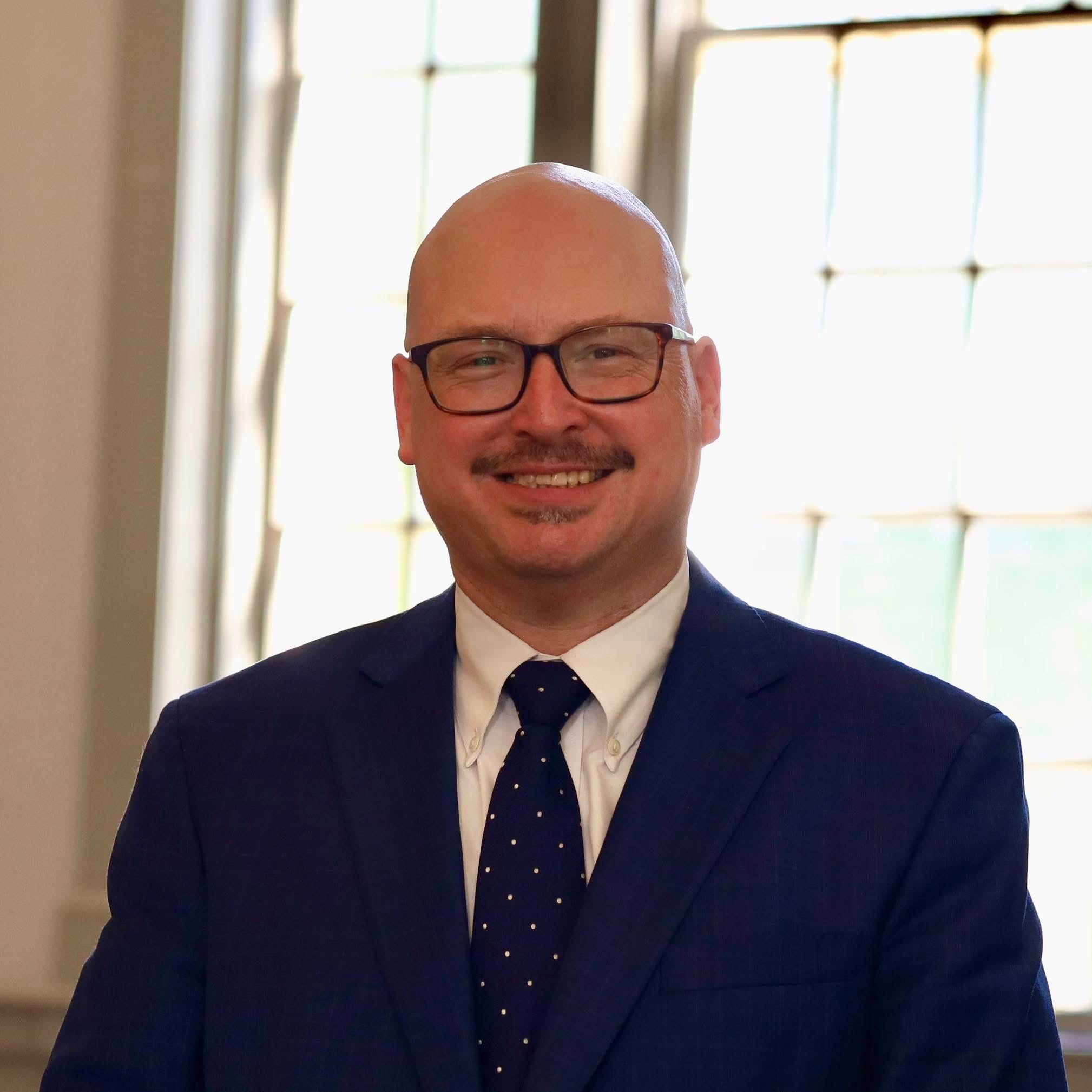
Ryan Danker is the director of the John Wesley Institute, publisher of Good News magazine, and associate lead editor of Firebrand.
No comments yet




Leave a Reply