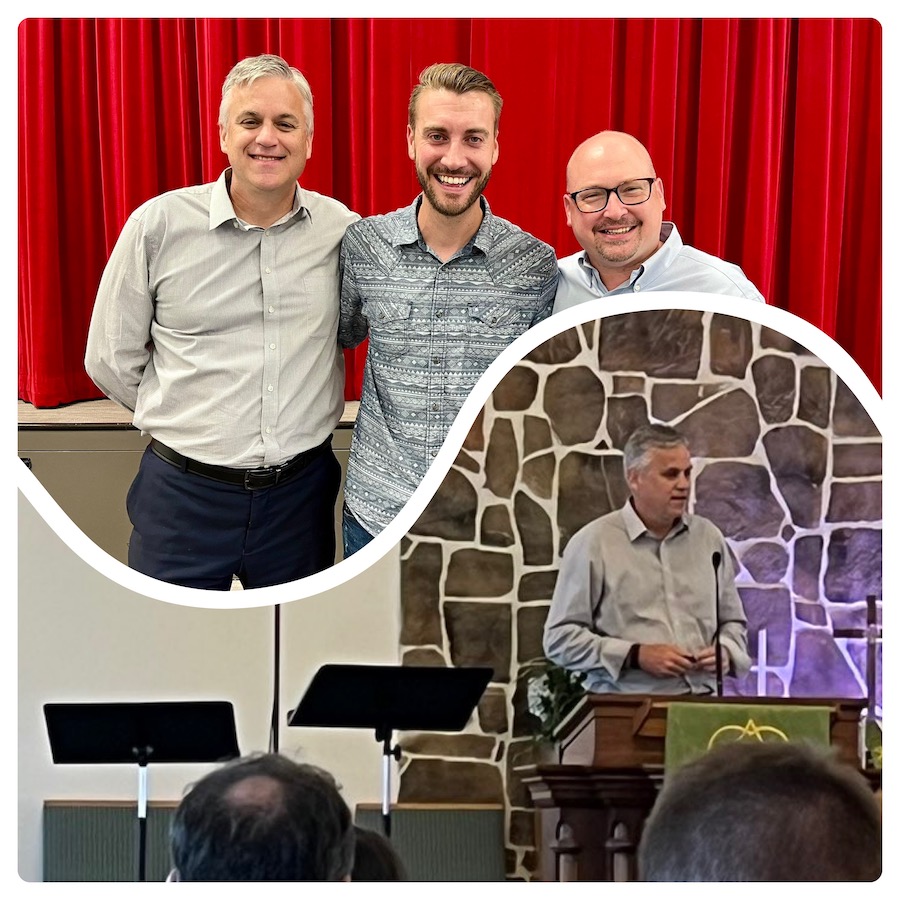
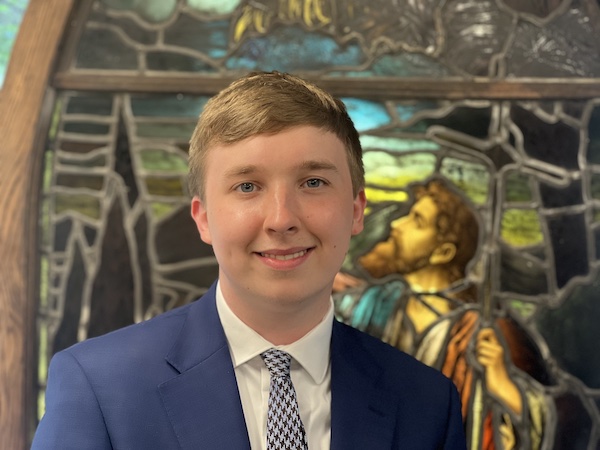
Methodists from across the Mid-Atlantic gathered on July 28 at Trinity Church in Danville, Pennsylvania, for the School of Methodism sponsored by IRD’s John Wesley Institute.
Pastors, lifelong laypeople, and recent converts to Christianity spent the morning reconnecting with the Wesleyan tradition, using the historic theology and practice of Methodism as a roadmap to, as several speakers repeated, keep up with the “showers of grace” in our time.
Pastor David Layser opened the day leading the group in worship and introduced the need to restore the Wesleyan tradition, a theme that permeated the entire event. Layser relayed a quote from Asbury Theological Seminary’s David Thomas, who said that Methodists are those who “find intolerable the gap between the Church we read about in the New Testament and the Church we experience day by day.”
This Methodist habit of mind, Layser noted, does not come for free. Wesley himself warned that the Methodist project would only remain spiritually fruitful if it maintained its “doctrine, spirit, and discipline,” the focus of the rest of the day’s programming.
John Wesley Institute Director Ryan Danker spoke on the historical context of early Methodism, which he titled “The Methodist Bonfire.” In his account of the early Methodist movement, Danker underscored Wesley’s place as a restorationist who sought “to reform the nation, particularly the Church, and to spread Scriptural Holiness across the land.” Methodism emerged from various religious and historical impulses, but this early Methodist mission statement has always embodied the movement’s desire to bring the best of the Christian past into the present.
Danker’s suggestion that the Global Methodist Church adopt Wesley’s words as its mission statement was met with a smattering of approving nods and exclamations of “amen!” The church historian’s explanation of how precisely the Methodist movement managed to spread from the halls of Oxford University to the corners of the Earth provided an insightful historical perspective, well complimented by Asbury University Professor of Theology Brian Shelton’s exploration of Methodist theology.
Shelton closed the event with a talk on Wesleyan theology. Mirroring Danker’s discussion of Methodist historical influences, Shelton identified several essential emphases that mark the Methodist tradition broadly. Shelton identified the commitment to Scripture, the centrality of grace, and the Anglican sacramental inheritance as throughlines of Methodism from the movement’s inception. Shelton then worked his way through the most integral elements of the Wesleyan tradition, from sanctification to church governance. Shelton also left time for questions, primarily focusing on improving the faithful Wesleyan witness in the public sphere.
The School of Methodism concluded with a lunch, where participants discussed the value they found in the Methodist tradition. The recent split in the United Methodist Church loomed large in these conversations. One participant recounted their testimony of conversion at a Methodist meeting well over a decade ago. Having been with Christ in a Methodist church for so long, they found the schism particularly painful, fearing that doctrinal and legal disputes may rend the community that brought them to Jesus. After reflecting on the School, the attendee remarked that the topics covered were why they became a Methodist in the first place, reinforcing their faith in the tradition. Another, a pastor, thought the programming to be a needed review in light of hot-button issues gripping the Methodist movement.
The day’s reflections on history, theology, and practice not only reinforced faith in Christ but also provided a shared space to address the challenges facing modern Methodism. With the recent denominational split still fresh in their minds, the gathering offered a hopeful reminder that the Wesleyan tradition is as relevant now as it was at Aldersgate.

Comment by William Mixon on August 13, 2024 at 4:19 pm
Well said, Wyatt. I read with appreciation your recap of the conference. Thank you…
Bill…
Comment by Dennis Derr on August 17, 2024 at 6:29 am
So glad that Pastor Laser is “leading into the future” at Trinity Church with a renewed passion for Wesleyan theology. It was my honor to serve that congregation for 16 years (1994-2010); and it is now my Global Methodist “home church.” May our Lord guide this new Methodist movement as it spreads scriptural holiness across these streets, states, and seas. Truly the “world is our parish.”
PS
“Leading Into the Future” ids the title of my latest book
Comment by ROGER on August 20, 2024 at 4:20 pm
A TRUE CHRISTIAN IS ONE WHO BELIEVES IN 1 CORINTHIANS 15: 1 – 4. PAUL WAS THE PASTOR AT ANTIOCH CHURCH, AND HIS CONVERTS THERE, WERE FIRST CALLED CHRISTIANS. THESE VERSES FROM CORINTHIANS IS WHAT THEY HEARD AND BELIEVED. NONE OF THE 12 OR EVEN JESUS HAD FOLLOWERS THAT WERE CALLED CHRISTIANS. THE 12 AND JESUS PREACHED THE GOSPEL OF THE KINGDOM, MATT. 9: 35. WE NEED TO RETURN TO THE ORIGINAL TERM OF CHRISTIAN AND BELIEF.